Inside FAME Studios — Where Legends Recorded
Step inside the Muscle Shoals studio where Aretha Franklin, Wilson Pickett, Etta James and Duane Allman created some of the greatest music ever recorded.
Inside FAME Studios — Where Legends Recorded
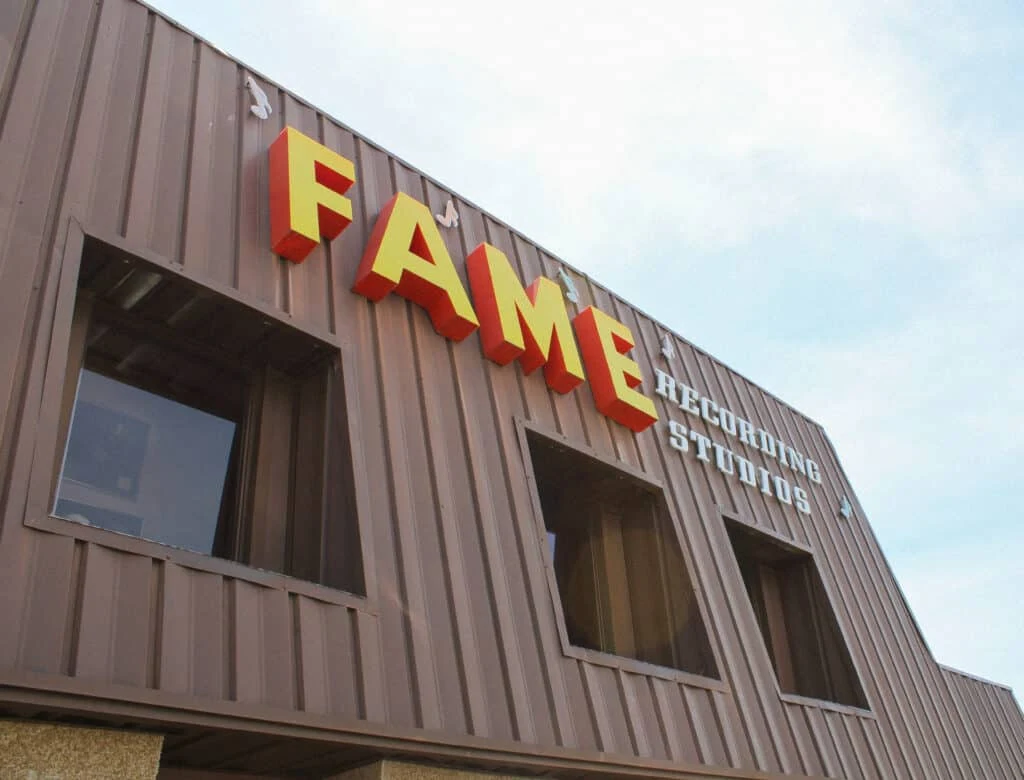
On a quiet street in Muscle Shoals, Alabama, there's a building that doesn't look like much from the outside. No neon signs, no velvet ropes. Just a modest brick building with "FAME Recording Studios" painted on the wall.
But walk through the door, and you're standing in one of the most important rooms in American music history.
The Man Behind FAME
Rick Hall was a self-made man from rural Alabama with an ear for talent and an unshakeable vision. He founded FAME (Florence Alabama Music Enterprises) in 1959, initially operating out of a tobacco warehouse above a drugstore. By the early 1960s, he'd built his own purpose-built studio on Avalon Avenue — the building that stands today.
Hall was a perfectionist. He drove musicians hard. He had a temper. But he also had an uncanny ability to create an environment where magic happened.
The Session That Changed Everything
In January 1967, Atlantic Records' Jerry Wexler brought Aretha Franklin to FAME Studios. Franklin had been recording in New York with Columbia Records for six years without a major hit. Wexler believed the Muscle Shoals musicians could unlock something in her voice that the polished New York session players couldn't.
He was right.
The very first song they cut was "I Never Loved a Man (The Way I Love You)." From the opening piano notes — played by Aretha herself — everyone in the room knew something extraordinary was happening. Spooner Oldham's electric piano, the Swampers' tight rhythm section, and Aretha's transcendent vocal combined into a record that would reach #1 and launch her career as the Queen of Soul.
The session famously fell apart due to personal conflicts after just one song — Aretha and the musicians completed the album back in New York — but that single session at FAME changed music history.
The Hit Factory
Before and after Aretha, FAME produced an astonishing run of hits:
- Arthur Alexander — "You Better Move On" (1962) — FAME's first hit, later covered by The Rolling Stones
- Percy Sledge — "When a Man Loves a Woman" (1966)
- Wilson Pickett — "Land of 1000 Dances" and "Mustang Sally" (1966)
- Etta James — "Tell Mama" (1967)
- Clarence Carter — "Slip Away" (1968)
- The Osmonds — "One Bad Apple" (1970)
- Mac Davis — demo of "In the Ghetto" (later recorded by Elvis)
Duane Allman's Apprenticeship
A young Duane Allman came to FAME as a session guitarist in 1968. Working with Rick Hall and playing on sessions for Wilson Pickett, Aretha Franklin, and King Curtis, Allman developed the slide guitar technique that would make him a legend. His work on Pickett's cover of "Hey Jude" — featuring searing slide guitar — is considered a masterclass.
Hall later said Allman was the finest musician he ever worked with.
Walking Through Studio B
When you visit FAME today, Studio B is the centrepiece. This is the room where the hits were made, and it's been preserved almost exactly as it was in the 1960s.
The dimensions are surprisingly small. The acoustic treatment is basic — fabric panels and wooden baffles. The floor is the same floor Aretha stood on. The Wurlitzer electric piano that Spooner Oldham played is still there.
It's this intimacy that made FAME special. Unlike the cavernous studios in New York and Los Angeles, FAME was a small room where musicians played together, facing each other, feeding off each other's energy. The bleed between instruments — the drums leaking into the vocal mic, the guitar amp picked up by the piano mic — became part of the sound.
Still Recording
FAME is still a working studio. Artists continue to record here, drawn by the room's legendary acoustics and its history. Recent sessions have included The Black Keys, Drive-By Truckers, and Jason Isbell.
Visiting with Travelling Time
Travelling Time runs escorted tours visiting FAME Studios with expert tour managers who share the behind-the-scenes stories of the sessions that made history. Standing in Studio B and hearing those stories brings the music to life in a way no documentary can match.
Tours featuring FAME Studios:
- Music Cities — Southern Style
- Mountains, Moonshine & Music City
- Meet The Music Makers
- Soundtrack of the South
View all tours → | Get in touch →
You Might Also Enjoy
- FAME Studios Tour Guide — What to expect when you visit
- The Story of Muscle Shoals Sound Studio — The Swampers' own studio
- How the Swampers Changed Music — The rhythm section behind the hits
- Guide to the Muscle Shoals Sound — What made it so special
- Top 10 Music Landmarks in Muscle Shoals — Every landmark worth visiting
View Travelling Time Tours which feature Recording Studios
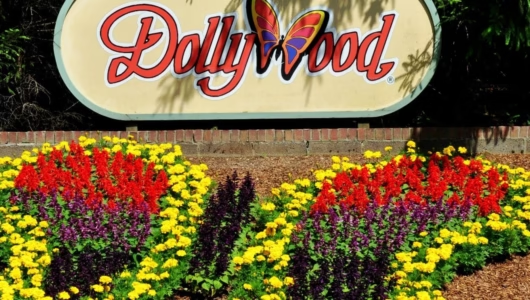
Mountains, Moonshine & Music City
9 Nights • From £2,199 (Tour Only)
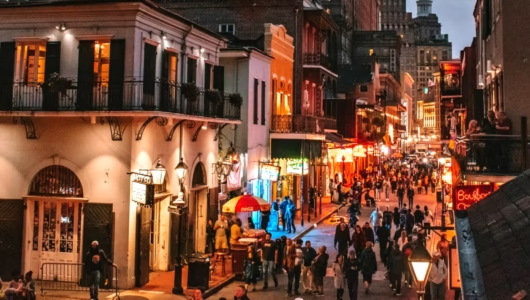
Music Cities - Southern Style
14 Nights • From £3,149 (Tour Only)
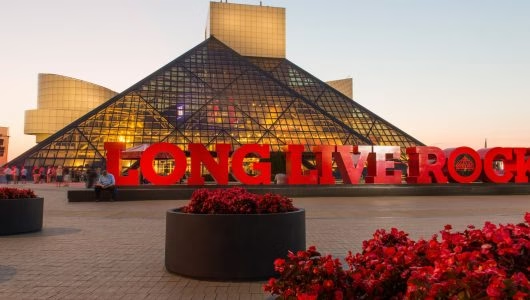
The Ultimate American Music Tour
15 Nights • From £3,149 (Tour Only)
Memphis, Mountains & Music Cities
11 Nights • From £2,649 (Tour Only)
Bourbon, Beale & Broadway
10 Nights • From £2,099 (Tour Only)
Country, Capitals, Jack & Coke
10 Nights • From £1,929 (Tour Only)
The Gala Tour
10 Nights • From £3,299 (Tour Only)
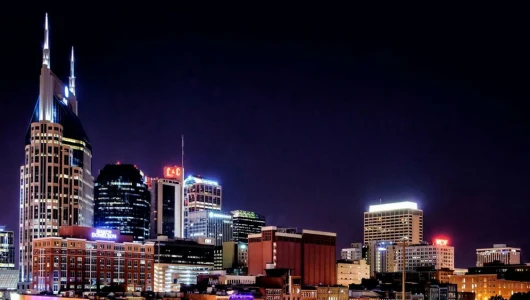
Meet The Music Makers
10 Nights • From £1,779 (Tour Only)
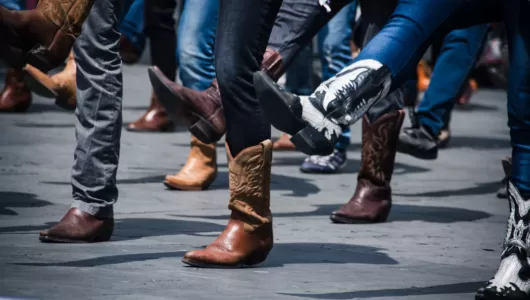
Music 'N' Motion
10 Nights • From £1,779 (Tour Only)
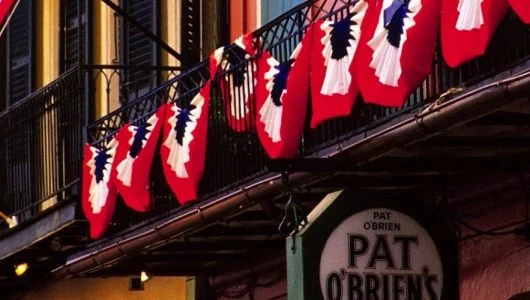
Soundtrack of the South
13 Nights • From £2,549 (Tour Only)
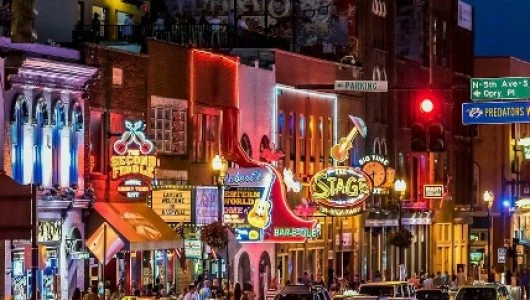
Southern Style
12 Nights • From £2,499 (Tour Only)